The first thing I learned about my family was that love could be assigned unevenly. Not accidentally. Not because of stress or money or timing. Deliberately, like table settings. Jennifer got the crystal glass. I got the chipped mug. I was eight the first time I noticed it clearly. We were having dinner in the formal dining room because Jennifer had made the travel soccer team, and my mother had roasted chicken with rosemary, the way Jennifer liked it. My father opened sparkling cider and poured it into the good glasses. Jennifer sat at the head of the table beside him, cheeks pink from praise. I had won second place in a school art contest that same week. My certificate was folded in my backpack, the corner bent because I had carried it around all day waiting for the right moment to show them. When I finally mentioned it, my mother smiled without looking at me. “That’s nice, Claire.” Then she turned to Jennifer and asked if Yale scouts ever came to middle school games.
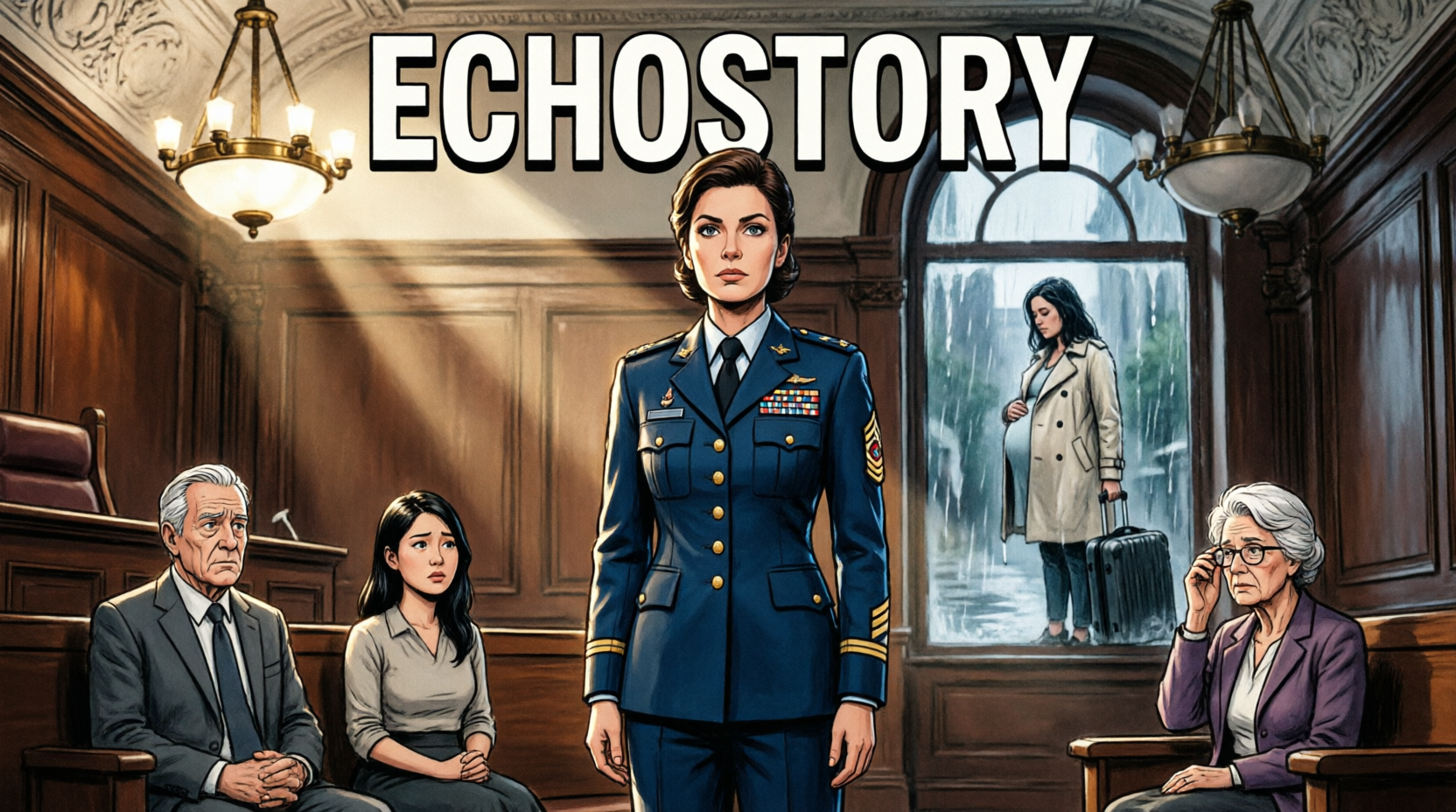
I remember staring down at my plate. The chicken smelled buttery and rich. My mashed potatoes had gone cold. Jennifer was laughing, tossing her blonde hair over her shoulder, and my father was looking at her the way some people look at fireworks. I learned that night that wanting attention could make you hungry in a way food did not fix. Jennifer was five years older than me and always somehow larger than life. Better grades. Better clothes. Better smile. Better timing. She cried prettier. She won louder. She failed in ways that made my parents rush to comfort her, while I learned to fail quietly so nobody had to be bothered. When she got into Yale, my parents threw a garden party with white tents and catered salmon. My mother wore pearls. My father gave a toast about destiny and hard work. Neighbors came with gifts. Someone ordered a sheet cake with Jennifer’s face printed in frosting.
Two years later, I got into Boston University. My mother said, “That’s a good school too,” while scrolling through her phone. By twenty-six, I had become good at building a life out of scraps. I lived in Boston with my best friend Rachel in a fourth-floor apartment above a bakery. The stairwell smelled like yeast and old wood. Our kitchen table wobbled unless you wedged a takeout menu under one leg. My bedroom was small, but the morning light came through the windows in gold sheets, and for the first time in my life, everything in it belonged to me.I worked as a marketing coordinator for a startup that kept changing its mission statement. I drank too much coffee. I took the train to work. I had friends who remembered my birthday without being reminded.
And then there was Marcus.
Marcus Lee was a software engineer with kind eyes, careful hands, and the habit of asking questions he actually wanted answered. We had been dating six months when I realized I did not shrink around him. He did not interrupt me. He did not compare me to anyone. When I said I loved old bookstores, he took me to one in Cambridge that smelled like paper, dust, and raincoats. When I told him I hated being late, he started showing up ten minutes early.
He made peace feel possible.
Jennifer, meanwhile, had married Brandon Whitmore, her college sweetheart, in a wedding my parents discussed like a royal event. The reception took place at a vineyard. My mother spent eighteen months talking about napkin textures. My father paid for a string quartet and looked proud enough to burst when Jennifer walked down the aisle in French lace.
Brandon was handsome, quiet, and richer than anyone in our family had a right to be. He managed money for people who already had too much. Jennifer sold pharmaceuticals and drove a white SUV that never seemed to have crumbs in it. They bought a colonial house fifteen minutes from my parents, with blue shutters and a nursery room long before there was a baby.
When Jennifer announced she was pregnant, my mother became a grandmother before the first ultrasound.
She bought tiny socks, knitted blankets, and read baby-name websites out loud at dinner. My father opened a college savings account before Jennifer even knew the gender. Every family conversation bent toward Jennifer’s pregnancy like flowers toward the sun.
I was happy for her.
Truly.
Or at least I tried to be.
The miscarriage happened at eighteen weeks.
Jennifer went in for a routine appointment, and there was no heartbeat. My mother called me sobbing so hard I could barely understand her. I left work early and sent flowers, then a meal, then a message saying I would come if Jennifer wanted me.
She did not.
For weeks, my parents lived at her house. They cooked. Cleaned. Cried. Whispered. My mother told me Jennifer could not get out of bed some days. My father said grief had hollowed her out. Brandon sounded exhausted when I reached him once, his voice rough and distant.
I did not resent their attention then.
Some pain deserves a room to itself.
Two months later, I stood in my bathroom at 6:12 a.m., staring at two pink lines on a pregnancy test while rain tapped against the window.
My first thought was impossible.
My second was Marcus.
He came over before work, hair still damp from the shower, shirt half-buttoned because I had called him with nothing but, “Can you come here?”
I handed him the test.
He looked at it. Then at me.
“Are you okay?”
That was the first thing he asked.
Not how. Not what now. Not are you sure.
Are you okay?
I started crying.
We sat on the bathroom floor for almost an hour, the bakery below us filling the apartment with the smell of warm bread. We talked about fear, money, timing, work, family, our six-month relationship that suddenly had to become something stronger or break under the weight of the future.
By sunrise, we knew.
We were keeping the baby.
Two days later, Marcus proposed with his grandmother’s ring, a simple oval diamond in a thin gold band. He said he had been planning to ask eventually, but “eventually” had moved closer.
For the first time in my life, I felt chosen without having to compete.
I waited until ten weeks to tell my parents.
I practiced the words in the car while Marcus drove us down to Connecticut. My palms sweated against my dress. Their house looked exactly as it always had: white siding, black shutters, trimmed hedges, the porch swing my father had installed for Jennifer’s graduation pictures.
Inside, the living room smelled like lemon polish and my mother’s gardenia perfume.
I sat on the sofa with Marcus beside me and told them we were expecting a baby in March.
Silence.
My mother’s face went pale.
My father set his coffee cup down so hard it rattled.
Then my mother asked, “You’re keeping it?”
And just like that, the joy inside me learned fear had been waiting at the door.
Part 2
The question sat between us like something rotten.
You’re keeping it?
My hand moved to my stomach before I realized I had done it. The baby was still too small for me to feel, barely more than a secret beneath my skin, but my body had already become a door I wanted to guard.
Marcus shifted beside me.
“Yes,” I said. “We’re keeping the baby.”
My mother stared at me as if I had announced a crime.
My father leaned back in his leather chair. It made a soft complaining sound. “Claire, have you thought about your sister?”
There it was.
Not congratulations.
Not are you healthy?
Not do you need anything?
Jennifer.
“I’ve thought about her every day,” I said carefully. “What happened was awful. I know she’s hurting.”
“Hurting?” My mother stood so quickly the ice in her glass clinked. “She is destroyed. She can barely function.”
“I’m sorry.”
“She lost her baby, and now you come in here with this announcement?”
Marcus’s face tightened. “We’re not trying to hurt anyone.”
“This is not about you,” my mother snapped.
His jaw moved, but he held back because I had asked him to let me lead. I regretted asking.
I had spent my whole childhood leading myself into surrender.
Dad rubbed his forehead. “The timing is cruel.”
I laughed once, because the alternative was screaming. “I didn’t schedule this to hurt Jennifer.”
“No one is saying you did,” he said, while saying exactly that.
My mother paced in front of the fireplace, heels clicking against hardwood. Family photos covered the mantel. Jennifer in a soccer uniform. Jennifer in a cap and gown. Jennifer’s wedding portrait. One old photo of both of us at the beach, though Jennifer stood in front of me and blocked half my face.
“I don’t know what you expect from us,” Mom said. “Celebration? A party?”
“I expected you to be my parents.”
She flinched as if I had slapped her.
Dad’s voice softened, which was always more dangerous than anger. “Claire, no one is saying this child isn’t important. But you are young. You and Marcus have barely been together. Your life is unsettled.”
Marcus finally spoke. “We’ll manage.”
My father looked at him like he had no place in the room. “This is a family conversation.”
“I’m the baby’s father.”
Mom made a small sound of contempt. “You’re a boyfriend with a ring.”
I stood. “We’re leaving.”
“Don’t be dramatic,” she said.
That phrase had followed me my entire life. Don’t be dramatic meant stop reacting to mistreatment. It meant swallow it. It meant make yourself convenient.
I picked up my purse. “We came to share good news. I see now that was a mistake.”
Dad did not get up. “You need to think carefully about what this will do to Jennifer.”
On the drive back to Boston, I watched trees blur past the passenger window. October leaves burned orange and red along the highway. In another life, maybe I would have been happy enough to notice them.
Marcus kept one hand on the wheel and one on my knee.
“I’m sorry,” he said.
“You didn’t do anything.”
“I should have defended you harder.”
“You did fine.”
“No.” His voice was low. “I should have told them they were cruel.”
I looked down at his grandmother’s ring catching gray light. “They already know.”
But I was wrong.
Cruel people often mistake cruelty for righteousness.
The calls began two weeks later.
At first, my mother sounded wounded. She asked if I had told Jennifer yet. I said no, because I did not want to cause her pain, but I would not hide forever. Mom sighed like I had failed a test.
Then she called again and told me Jennifer was not eating.
Then again, saying Jennifer had cried for six hours.
Then again, saying Brandon was worried.
The fourth call came while I was folding laundry on my bed.
“What if there was a way to help everyone?” Mom asked.
I stopped matching socks. “What does that mean?”
“You’re still early. There’s time to think.”
“I have thought.”
“Jennifer needs hope.”
I closed my eyes. “Mom.”
“She wants to be a mother more than anything.”
“I know.”
“You weren’t even planning this.”
My hand tightened around a towel.
“What are you saying?”
Her voice softened into something almost tender. “What if Jennifer adopted the baby?”
For a moment, I heard only the hum of the radiator.
Then I said, “No.”
“You haven’t even considered it.”
“No.”
“Claire, don’t be selfish.”
The word landed with old precision.
Selfish.
I had been selfish for wanting my birthday dinner at the restaurant I liked. Selfish for taking a summer internship when Jennifer needed help moving. Selfish for not lending her money after she spent too much on a vacation. Selfish, always, whenever I kept anything for myself.
“This is my baby,” I said.
“It would still be family.”
“No.”
“You could visit.”
I stood up, suddenly unable to sit. “Listen to yourself.”
“She has the house. The money. The stable marriage. She can give this child everything.”
“Except being her mother.”
“She would be her mother.”
Something cold slid through me.
“No, she wouldn’t.”
My mother’s voice sharpened. “Biology is not everything.”
“It is when you’re talking about taking my child from me.”
“You’re twisting this.”
“I’m hanging up.”
The next call came from Dad.
He used a different tactic. Practicality. Numbers. Rent. Childcare costs. The difficulty of building a career as a young mother.
“Jennifer and Brandon are ready,” he said. “You are improvising.”
“Parents improvise every day.”
“Don’t be stubborn.”
“Don’t ask me again.”
They asked again.
And again.
Every conversation became a hallway with the same locked door at the end.
At eighteen weeks, Marcus and I found out we were having a girl.
The ultrasound room was dim and warm. The technician moved the wand over my belly, and there she was on the screen, grainy and miraculous, one tiny hand lifted near her face. Marcus cried silently, wiping his cheeks with the heel of his hand.
“A daughter,” he whispered.
We went to dinner afterward and ordered too much pasta. I posted one ultrasound photo with the caption: Baby girl coming in March. Already loved beyond words.
Jennifer called within an hour.
Her voice was hollow. “A girl.”
I stepped into the hallway of the restaurant. “Yes.”
“Congratulations.”
“Thank you.”
A pause.
Then she said, “Do you know what that does to me?”
I leaned against the wall. The hallway smelled like garlic and rain from wet coats near the entrance.
“I know this is painful.”
“No. You don’t. You get to post pictures and eat dinner and act like the universe didn’t rip my baby out of me.”
“I’m not acting like that.”
“You could fix it.”
My stomach turned.
“Jennifer.”
“You could give her to me.”
“No.”
“You don’t even want motherhood like I do.”
“You have no idea what I want.”
“You always got to walk away from this family. You moved to Boston, made your own little life, acted like you were above us. Now you get the baby too?”
Her grief had teeth.
“I am sorry you lost your child,” I said. “I mean that. But my daughter is not a replacement.”
Jennifer laughed, a brittle sound. “Your daughter.”
“Yes.”
“You’re going to regret being this selfish.”
She hung up.
I returned to the table shaking. Marcus took one look at me and asked for the check.
That night, I lay awake beside him, one hand on my belly.
For the first time, I did not just worry my family would resent my baby.
I worried they already believed she belonged to them.
Part 3
Christmas was supposed to be neutral ground.
That was my first mistake.
By December, I was seven months pregnant, round and slow, with aching hips and a daughter who seemed to enjoy kicking my ribs at three in the morning. Marcus and I had gotten legally married at City Hall two weeks earlier, with Rachel and his brother standing beside us. We planned to have a real celebration later, after the baby arrived and after our lives stopped feeling like a house with alarms going off in every room.
My parents had not attended.
They said it was too sudden.
Jennifer said nothing.
Still, when my mother suggested Christmas dinner at our apartment because I was “too pregnant to travel,” some lonely, foolish part of me wanted to believe it was a peace offering.
Rachel called it what it was.
“A trap with pie.”
“She said they want to smooth things over,” I told her.
Rachel sat cross-legged on our couch, eating pretzels from the bag. “Your mother tried to convince you to give your baby to your sister.”
“I know.”
“Your father helped.”
“I know.”
“Jennifer thinks your uterus is customer service.”
“Rachel.”
“I’m just naming the theme.”
I laughed despite myself, and for one second the apartment felt normal.
Marcus was less amused. “I don’t like it.”
“It’s Christmas,” I said weakly.
“That’s not a reason. That’s wrapping paper.”
He wanted to cancel. I should have listened.
But I had spent my life trying to earn a version of my family that did not exist, and pregnancy made that longing worse somehow. Maybe I wanted my daughter to have grandparents. Maybe I wanted a mother who would touch my belly and smile. Maybe I wanted proof that the people who raised me were not capable of turning a baby into an object.
So I cooked.
Not much, because standing too long made my back hurt. Marcus handled the turkey. I made mashed potatoes, cranberry sauce, and a pumpkin pie that cracked in the center but smelled like cinnamon and butter. Our apartment was small, but I set the table with our mismatched plates and a little vase of grocery store flowers.
My parents arrived with green bean casserole.
Jennifer and Brandon came ten minutes later.
Jennifer looked thinner than the last time I had seen her. Her coat hung off her shoulders. Her eyes went immediately to my stomach, then away. Brandon looked exhausted. He hugged me carefully and whispered, “How are you holding up?”
That kindness nearly undid me.
Dinner began stiffly.
My father commented on the traffic. My mother criticized the building’s stairs. Jennifer pushed turkey around her plate. Marcus kept one hand on my knee beneath the table. Brandon drank water like he wished it were whiskey.
For almost forty minutes, nobody said the baby should be given away.
I made the mistake of relaxing.
Then my mother brought out the pie.
“We need to discuss the arrangement,” she said.
The room went very still.
I set my fork down. “There is no arrangement.”
She placed the pie in the center of the table with ceremonial care. “Claire, denial is not helpful.”
Marcus’s voice was flat. “No one is taking our child.”
My father sighed. “Marcus, this is delicate family history. You may not understand.”
“I understand kidnapping fantasies pretty well.”
My mother’s face flushed. “How dare you?”
“How dare I object to you planning to take my daughter?”
Jennifer started crying.
Not quiet tears. Big, shaking sobs, one hand over her mouth, the performance and the pain tangled so tightly even she might not have known where one ended.
“This is killing me,” she said. “Do you even care?”
I looked at my sister, searching for the girl who once let me sleep in her room during a thunderstorm, the teenager who taught me how to use eyeliner, the woman I had wanted to love even when she made it hard.
“I care,” I said. “But caring does not mean giving you my baby.”
“She lost hers,” my father said. “You can have another.”
My pulse thudded in my ears.
Marcus stood. “This dinner is over.”
Mom pointed at him. “Sit down.”
“No.”
She turned on me. “Control your husband.”
I almost laughed. Control. That was what this had always been about.
I stood slowly, one hand on the edge of the table, the other on my belly.
“Everyone needs to leave.”
My mother’s eyes changed.
I had seen her angry before. Cold angry. Cutting angry. Silent-treatment angry. But this was something else. A wildness flashed across her face, as if my refusal had broken a rule so sacred she no longer had to pretend.
“You selfish little brat,” she said.
“Diane,” Brandon warned.
She ignored him.
“You think motherhood makes you special? You think because you got pregnant by accident, you get to destroy your sister?”
“I’m not destroying anyone.”
“You have what she needs.”
“My daughter is not medicine.”
My mother moved around the table fast.
Too fast for a woman in heels.
I saw Marcus reach for her. I saw Brandon half-rise. I saw Jennifer’s wet eyes widen.
Then my mother kicked me in the stomach.
Pain exploded through my abdomen.
Not sharp at first. Heavy. Sickening. A force that drove breath from my lungs and sent me backward into the wall. The picture frame behind me rattled. My knees gave.
For one suspended second, nobody moved.
Then Marcus shouted, a sound I had never heard from him.
I slid down the wall, both hands locked around my belly.
“No,” I whispered. “No, no, no.”
The baby shifted.
Or I imagined she did.
Fear turned the room white.
Marcus was between me and my mother, one arm out, body shaking with rage.
“Get out,” he said.
My mother was still screaming. “That baby belongs with Jennifer! You can make another one!”
Brandon grabbed her arm. “Stop. Diane, stop.”
My father stood behind her, pale but not shocked. That was what I noticed. Not shocked. Angry, yes. Afraid of consequences maybe. But not horrified.
Jennifer sat frozen, tears running down her face, looking at my belly with resentment instead of concern.
I waited for her to say something.
Anything.
She didn’t.
Marcus called 911.
The ambulance lights painted our apartment walls red and blue. A paramedic helped me onto a stretcher while my mother protested that everyone was overreacting. My father said it had been “a family disagreement.” Jennifer kept crying into Brandon’s shoulder.
At the hospital, the fetal monitor found our daughter’s heartbeat.
Strong.
Steady.
The sound filled the room like a miracle with a pulse.
I cried so hard I could barely breathe.
A nurse examined the bruise forming across my abdomen. Her eyes were gentle but knowing.
“How did this happen?”
For once, I did not protect my family.
“My mother kicked me.”
She documented everything. Photos. Notes. Police report. Discharge instructions. Information about restraining orders and domestic violence resources.
Marcus sat beside my bed, holding my hand like he could anchor me to the world.
“We’re done,” I said.
He nodded. “Completely.”
But as I lay there listening to my daughter’s heartbeat, I realized my mother’s kick had not been the breaking point.
It had been a warning.
And if she was willing to hurt me while my baby was still inside my body, what would she do once my daughter was in her arms?
Part 4
Brandon called nine days after Christmas.
I almost did not answer because the number was unfamiliar. By then, unfamiliar numbers made my body react before my mind caught up. My pulse jumped. My hand went to my stomach. My daughter rolled beneath my palm as if she had learned to brace too.
But something made me pick up.
“Claire?”
His voice was low, strained.
“Brandon?”
“I’m sorry to call from a new number. Jennifer has been checking my phone.”
I sat down on the edge of the bed.
Marcus looked up from his laptop across the room.
“What’s going on?”
Brandon exhaled shakily. “I need to tell you something, and I need you to understand I’m not part of this.”
The room seemed to narrow.
“Part of what?”
“Your parents. Jennifer. What they’re planning.”
Marcus closed the laptop.
I put the phone on speaker.
Brandon did not ask who else was listening. Maybe he already knew. Maybe he was past caring.
“After what your mother did at Christmas, I thought that would be the end of it,” he said. “I thought Jennifer would realize this had gone too far. But she didn’t. Your parents convinced her that you’re using the pregnancy to punish her.”
“That’s insane,” Marcus said.
“I know.”
The exhaustion in Brandon’s voice made him sound older than thirty-one.
“They’re at our house constantly. Your mother brings folders. Your father prints articles about custody disputes, grandparents’ rights, unfit parents. Jennifer sits there listening like they’re discussing a nursery paint color.”
My mouth went dry.
“They’re serious?”
“Yes.”
“How serious?”
Silence.
Then Brandon said, “Your mother talked about going to the hospital when you deliver.”
Marcus stood.
I stopped breathing.
“She said if Jennifer holds the baby first, bonds with her, it will be harder for anyone to separate them emotionally. She said possession matters.”
“Possession?” I whispered.
“As if your daughter is property,” Brandon said bitterly. “I told them it was kidnapping. Your mother said it would be family protecting family.”
Marcus’s face had gone white.
Brandon continued. “I recorded some conversations.”
I stared at the phone. “You what?”
“I know it’s ugly. I know Jennifer is my wife. But what they’re doing is dangerous. I tried to get her help. Therapy. Grief counseling. Support groups. She refuses because your mother keeps promising her a baby.”
My eyes burned.
“My baby.”
“Yes.”
Within an hour, Brandon sent seven audio files.
We listened to them at the kitchen table while snow tapped against the windows.
My mother’s voice filled the room first, familiar and poisonous.
Claire has always been unstable when she doesn’t get her way. We document that. The apartment. The rushed marriage. Her stress. Her career. We show she isn’t prepared.
My father: Courts care about stability. Jennifer and Brandon have a house, savings, family support.
Jennifer, sobbing: But she won’t just give her to me.
My mother: Then we make it happen another way.
Marcus paused the recording.
His hands were shaking.
I reached for his wrist, not to comfort him but because I needed to touch something real.
The worst recording came last.
Mom said, We go to the hospital. We don’t ask permission. Once Jennifer is holding her, once the baby has bonded, Claire will look cruel trying to rip her away.
Jennifer’s voice, small and desperate: What if she calls the police?
Dad answered: Let her. We’ll say she’s hysterical after birth. We’ll say she handed the baby over and changed her mind.
Mom laughed softly. She’s always been emotional. People will believe that.
The room spun.
I leaned over the sink and threw up.
Not from pregnancy.
From terror.
The next morning, we met with a lawyer named Patricia Chen.
She had steel-gray hair, sharp eyes, and an office that smelled like coffee and printer ink. Marcus found her through a colleague who said she handled “family disasters with criminal edges.” That description fit better than I wanted.
Patricia listened to the recordings without interrupting.
By the third one, her expression had hardened.
By the seventh, she removed her glasses and set them on the desk.
“This is conspiracy,” she said. “At minimum, custodial interference. Depending on execution, kidnapping.”
The word sat heavily in the room.
Kidnapping.
A word from news stories.
A word that did not belong beside cribs and ultrasound photos.
“What do we do?” I asked.
“File for a restraining order immediately. Include your mother’s assault, hospital documentation, the recordings, threats, and any messages. Also alert your delivery hospital in writing. Not verbally. Written security plan. Passwords. Restricted patient status. No information release.”
“We’ve blocked them,” Marcus said.
“Good. But blocking does not stop people who feel entitled. Paper trails do.”
She looked at me.
“Claire, I need to be blunt. Your family has escalated from emotional manipulation to physical violence to planning. Do not assume they will become reasonable because you are exhausted.”
I nodded.
Exhausted was too small a word.
I felt hunted.
The restraining order hearing took place when I was twenty-eight weeks pregnant. I wore a loose navy dress and a coat that barely buttoned. Marcus kept his hand at my back as we entered the courthouse. The hallway smelled like wet wool and old paper.
My parents arrived with Jennifer and a lawyer who looked expensive enough to charge by the breath.
Jennifer did not look at me.
My mother did.
Her stare slid over my stomach like a claim.
The hearing was humiliating and necessary.
We played the recordings. Patricia submitted photos of my bruised abdomen. The ER nurse’s report. Police notes. Screenshots of texts. Brandon testified, voice steady but sad, saying he believed my parents and his wife intended to take the baby if given the opportunity.
Jennifer cried through most of it.
My mother cried only when the judge looked unimpressed.
Their lawyer called it a “misunderstood family conflict rooted in grief.” He said my mother’s kick was “an impulsive movement during an emotional disagreement.” He said the recordings were private conversations taken out of context.
The judge, a woman in her sixties with silver glasses and no patience, leaned forward.
“Private conversations about taking a newborn from her mother?”
Their lawyer cleared his throat. “About ensuring the welfare of a child.”
The judge looked at him over her glasses. “Counsel, do not insult this court.”
My mother’s face tightened.
The judge granted the restraining order for one year, renewable.
No contact with me. No contact with Marcus. No contact with the baby once born. Five hundred feet from our home, workplaces, medical providers, and any hospital where I was admitted.
My father stood. “Your Honor, that’s our grandchild.”
The judge’s expression did not change.
“No, sir. That is their child.”
“But Jennifer—”
“Jennifer is not the mother.”
Jennifer made a broken sound.
The judge turned one page. “You should also understand something. The evidence I heard today suggests possible criminal planning. If you violate this order, you may find yourselves leaving court in handcuffs next time.”
For the first time in my life, my parents had no answer.
Outside the courtroom, my mother tried to approach me.
A bailiff stepped between us.
Her face twisted.
“This isn’t over,” she said.
Patricia, standing beside me, replied calmly, “That sounded like a threat. Thank you. We’ll add it to the file.”
My mother went still.
That was the first time I saw fear in her eyes.
Not remorse.
Fear of consequences.
There is a difference.
Two weeks later, Brandon filed for divorce.
He called once more to tell me.
“I’m sorry I didn’t stop it sooner,” he said.
“You helped us.”
“Not enough.”
“Enough to matter.”
He was quiet for a moment. “Jennifer believes you stole her life.”
I looked at the half-assembled crib in the corner of our bedroom.
“No,” I said. “She tried to steal mine.”
After that, the harassment changed shape.
No more direct calls, because the restraining order made those dangerous. Instead, family friends appeared. An aunt sent a message about forgiveness. A cousin asked whether I could “at least let Jennifer be present at the birth for closure.” Someone created a fake profile and sent Bible verses about sacrifice.
Rachel moved in for the last month of my pregnancy.
“I work remote,” she said, dropping a suitcase by our couch. “And I’m excellent at telling crazy people to leave.”
Marcus installed a camera outside our apartment door. Building management received photos of my parents and Jennifer. My boss promised absolute privacy around maternity leave. We pre-registered at the hospital under restricted status and met with the security director, Mike Santos, a former cop with a calm voice.
“We deal with dangerous relatives more than people think,” he said. “You focus on delivery. We’ll focus on doors.”
For the first time in months, I slept almost five hours.
I thought we had built enough walls.
I thought paperwork, cameras, passwords, lawyers, and guards could keep delusion out.
Then my water broke three weeks early, during a snowstorm, and the walls we built met the one thing they could not fully control.
Human error.
Part 5
Labor began at 2:06 a.m. with a sharp pop and warm water soaking through my pajama pants.
For one stupid second, I thought I had spilled tea on myself.
Then the first contraction hit.
Marcus woke up when I whispered his name. He sat straight up, hair wild, eyes wide, like he had been waiting for battle instead of a baby.
“Now?”
“Now.”
Snow fell outside in thick white sheets, turning the streetlights into glowing halos. Rachel, half-asleep on our couch, sprang into action with terrifying efficiency. She grabbed the hospital bag, my coat, phone chargers, folder of legal documents, and a printed copy of the restraining order sealed in a plastic sleeve because Rachel believed organization was a weapon.
“Text me when you’re admitted,” she said, hugging me carefully. “I’ll follow once roads clear.”
Marcus drove slowly through the storm, jaw tight, one hand on the wheel and one reaching for mine between contractions. The city looked muffled and empty. My breath fogged the passenger window. Each contraction rose like a wave, pulling me under, then leaving me shaking in its wake.
At the hospital entrance, Marcus helped me inside while a security guard opened the door. The lobby smelled like disinfectant and wet coats. A nurse checked us in under restricted status. I watched her type the privacy flags into the system.
“No visitors except your husband and approved support person,” she confirmed. “No information released by phone. Password required for any access.”
“Thank you,” I said.
I meant it with my whole body.
The delivery room was bright and cold at first. Then the nurses dimmed the lights and brought warm blankets. My doctor arrived around dawn, cheeks pink from the storm, and told me the baby looked strong.
Labor stretched long and strange.
Hours lost shape. There was ice water, monitors, blood pressure cuffs, Marcus counting breaths, a nurse named Tasha who smelled faintly of lavender lotion and kept telling me I was doing beautifully even when I was sweating, crying, and threatening to haunt Marcus if he ever touched me again.
At 11:42 a.m., my daughter came into the world screaming.
A full-bodied, furious little cry.
The best sound I had ever heard.
They placed her on my chest, warm and slippery and impossibly real. She had dark hair plastered to her head, tiny fists curled near her face, and Marcus’s nose. I sobbed so hard I could barely see her.
“Hi, Lily,” I whispered. “Hi, baby.”
We had chosen the name weeks earlier because it sounded soft but strong. A flower that came back every spring.
Marcus bent over both of us, tears dripping onto the hospital blanket.
“She’s perfect,” he said.
“She is.”
For a little while, the world narrowed to breath and skin and the damp weight of my daughter against my chest. The months of fear dimmed. My parents, Jennifer, courtrooms, recordings, threats—all of it seemed far away, like a nightmare from someone else’s life.
Tasha took photos on Marcus’s phone. Our first family picture was blurry because he was crying, but I loved it immediately.
Then she stepped out to finish paperwork.
Marcus kissed my forehead. “I need to move the car from emergency parking before they tow us.”
“Go fast.”
“I’ll be back in five minutes.”
He kissed Lily’s head, then hurried out.
I was alone with my daughter.
The room was quiet except for the soft beeping of monitors and Lily’s tiny noises as she rooted against my chest. Snow tapped lightly against the window. I remember thinking this was the first peaceful moment we had ever had together.
Then I heard raised voices in the hallway.
Not close at first.
Muffled. Sharp.
A woman demanding something.
A staff member saying, “Ma’am, you can’t—”
My blood went cold before the door opened.
Some part of me knew.
The door burst inward.
My mother entered first.
Her hair was perfect. Her coat was dusted with snow. Her face shone with a terrible triumph.
Behind her came my father.
Behind him, Jennifer.
Jennifer’s eyes locked on Lily with a hunger that made every instinct in my body turn feral.
“No,” I said.
My voice was hoarse from labor, but the word was clear.
My mother smiled. “There she is.”
“How did you get in?”
Dad closed the door behind him. “Don’t start.”
“Get out.”
Jennifer stepped closer, hands trembling. “She’s beautiful.”
I pulled Lily tighter against me. “Do not come near us.”
Mom’s smile vanished. “After everything, you’re still going to be cruel?”
“There is a restraining order.”
My father waved that away. “Paper doesn’t change blood.”
“It changes arrests.”
His mouth tightened.
Jennifer was crying silently now. “Please, Claire. Just let me hold her.”
“No.”
“One minute.”
“No.”
My mother moved toward the bed. “You’re exhausted. You’re emotional. Let me take her.”
I turned my body away, shielding Lily.
“Get security.”
The young staff member hovering in the doorway looked terrified. She had not been in our planning meetings. Later, I would learn she was a volunteer covering the desk during a shift change. My father had called pretending to be Marcus, using details he gathered from family gossip, and she had confirmed my room number despite the privacy flag.
One mistake.
That was all it took.
Mom reached for Lily.
I slapped her hand away.
Her face changed.
“You ungrateful little—”
Then she lunged.
Pain tore through me as I twisted, still sore and bleeding from delivery. My arms locked around Lily, but I was weak, sweaty, shaking from labor. My mother grabbed the blanket and pulled. Lily screamed.
“No!” I screamed.
Jennifer sobbed, “Mom, hurry!”
My father stepped between me and the door, blocking the staff member’s view as chaos exploded.
My stitches pulled. Fire shot through my body. My mother ripped Lily from my arms with a force so violent I screamed from pain and terror at the same time.
Lily’s newborn cry split the room.
“Give her back!”
Mom clutched my daughter against her chest.
“She belongs with Jennifer.”
For a second, I could not move. My body had just done the impossible, and now the impossible was being carried away.
Then instinct took over.
I tried to climb out of bed. Blood ran warm down my thighs. My legs shook. The IV line pulled at my hand. My father shoved one palm toward my shoulder.
“Stay down.”
I slapped him.
The sound cracked across the room.
He looked shocked.
Good.
I lunged again, but he blocked me, and my mother ran.
Jennifer followed her, hands reaching toward Lily like she was already hers.
The hallway erupted.
“Code Pink!” someone shouted.
An alarm began blaring overhead.
Marcus appeared at the far end of the hall just as the elevator doors started closing.
He saw my mother holding Lily.
For one frozen second, his face did not understand what his eyes were seeing.
Then he ran.
Too late.
The elevator doors shut.
I heard myself make a sound that did not seem human.
Marcus turned back toward me, horror-struck, while security guards sprinted down the hallway and nurses rushed into my room.
“They took her,” I sobbed. “They took my baby.”
Tasha climbed onto the bed beside me, pressing pads between my legs, checking my bleeding, saying my name over and over. Someone called police. Someone grabbed hospital security footage. Someone asked for descriptions, license plate, names.
Marcus held my face in both hands.
“We’re getting her back,” he said, voice shaking so hard it almost broke. “Claire, look at me. We’re getting Lily back.”
But my arms were empty.
My milk had not even come in.
My daughter was less than an hour old, and my mother had carried her into the snow like a prize she had finally won.
Part 6
The first police officer reached my room before the doctor finished checking my bleeding.
Her name was Officer Lena Price, and she had the kind of face that became calm because panic would have been useless. She listened while Marcus spoke, because I could not get words out in order. Kidnapping. Restraining order. Newborn. My mother. My sister. My father. Silver Lexus. Connecticut plates.
Then I found my voice.
“They planned this,” I said.
Officer Price turned to me.
“They planned it for months.”
Marcus grabbed the folder from my hospital bag. Rachel had packed it on top, the plastic sleeve already smudged from our hands. Restraining order. Police reports. ER photos from the Christmas assault. Recordings transcribed by Patricia. Hospital security plan.
Officer Price took one look at the documents and her expression hardened.
“This is not a custody misunderstanding,” she said into her radio. “We have a newborn abduction by restrained parties with prior documented threats. Notify units at the suspects’ residence immediately.”
Code Pink alarms still shrieked through the hospital. Nurses checked stairwells. Security sealed exits too late. A supervisor kept saying, “I’m so sorry,” until Marcus snapped, “Stop apologizing and find my daughter.”
I should have been taken to postpartum recovery.
Instead, I was stitched, cleaned, medicated, and questioned while the place where Lily had been on my chest turned colder by the second.
Rachel arrived forty minutes later, face white, boots still wet from snow. She stopped in the doorway and took in the room: my empty arms, Marcus pacing, police officers, hospital administrators, blood pressure cuff still wrapped around my arm.
“No,” she whispered.
I started crying again.
She climbed into the bed and held me like we were children.
“They’ll find her,” she said, fierce and shaking. “They have to.”
Detective Sandra Torres took over the case within the hour.
She was short, compact, with dark hair pulled into a knot and eyes that missed nothing. She asked questions quickly, not unkindly. Had my mother handled the baby safely? Was Lily wrapped? Did she appear injured? Did my family have car seats? Where would they go?
“My parents’ house,” I said. “They’ll take her there.”
“Why?”
“Because my mother wants Jennifer to have a moment with her.”
The words sounded insane.
Detective Torres did not react as if they were.
She had seen enough of people to believe anything.
Marcus and I were not supposed to leave the hospital. I had just given birth. I was weak, bleeding, shaking, and at risk of complications. But when police confirmed units were heading to my parents’ house, I begged to go.
My doctor said no.
I said, “My baby is there.”
Marcus said he would drive.
Tasha said, “She needs a wheelchair to the car.”
The doctor looked like she wanted to argue, then saw my face and stopped.
We followed the police at a distance through snowy streets. Rachel stayed behind to deal with hospital paperwork and Patricia, who was already on her way. Marcus drove with both hands clenched on the wheel. Neither of us spoke. The windshield wipers beat time against the glass, and every second away from Lily felt like failing her again.
My parents’ house looked unchanged from outside.
White siding. Black shutters. Trimmed hedges wearing snow.
Two police cruisers sat in the driveway.
I saw movement through the living room window.
My mother on the sofa.
Lily in her arms.
Jennifer beside her, leaning close.
For a second, rage cleared my exhaustion so completely I could have walked through fire.
Detective Torres met us on the lawn before I could reach the porch.
“Your daughter is inside,” she said. “She appears safe. We are retrieving her now. I need you to stay here.”
“No.”
“Claire.” Her voice softened but did not bend. “If you go in and this escalates, it could delay getting Lily back. Let us do our job.”
Through the window, I saw my father at the front door, arguing with officers. His hands moved in sharp, offended gestures. He looked like a man disputing a parking ticket, not a grandfather caught in an abduction.
My mother rocked Lily.
Jennifer touched the edge of the blanket.
I could not hear them, but I could imagine the words. Our baby. Jennifer’s baby. Poor Jennifer. Finally.
Two officers entered.
My mother stood.
Then everything changed.
Even through the glass, I saw her scream.
She turned away from the officer, clutching Lily tighter. Jennifer rose and blocked the path. My father tried to push inside from the doorway. One officer moved fast, controlled my father’s arms, turned him toward the wall. Another reached for Jennifer.
Detective Torres spoke into her radio, face tense.
Then an officer took Lily from my mother.
My mother fought.
Actually fought.
She grabbed at the blanket, screaming so violently I could hear her through the closed door now.
“She’s ours! She belongs here!”
Jennifer collapsed to the floor, sobbing.
My father shouted about lawyers.
The front door opened.
A female officer stepped out carrying my daughter.
Lily was wrapped in the same hospital blanket, face red from crying, tiny mouth open in a furious wail.
I made it three steps before my knees buckled.
Marcus caught me, but I reached for her, desperate and clumsy, and then Lily was in my arms again.
Warm.
Alive.
Mine.
Her cries softened when I held her against my chest. Maybe she smelled me. Maybe newborns know more than anyone gives them credit for. Maybe I needed to believe she knew she was home.
I pressed my face to her hair and sobbed.
“I’m sorry,” I whispered. “I’m so sorry. Mommy’s here.”
Marcus wrapped his arms around both of us.
Behind us, my mother was brought out in handcuffs, still screaming. Her hair had come loose. Her perfect coat was twisted. She looked at me with pure hatred.
“You stole Jennifer’s baby!”
Something inside me went quiet.
Not numb.
Clear.
Detective Torres stepped between us. “Diane Porter, you are under arrest for kidnapping, assault, violation of a protective order, and conspiracy.”
Jennifer came next, crying so hard she could barely walk. “I just wanted to hold her,” she kept saying. “I just wanted one chance.”
My father came last.
He looked less furious now. More stunned. Consequences had finally become physical: metal around his wrists, police hands on his arms, neighbors watching from behind curtains.
His eyes found mine.
For one second, I saw him expect me to fix it.
To soften.
To be the younger daughter who made family easier.
I held Lily tighter.
Then I looked away.
At the hospital, Lily was examined from head to toe. No injuries. No signs of rough handling beyond stress and hunger. I, on the other hand, had torn stitches, elevated blood pressure, and the exhausted blankness of a woman whose body had been asked to survive too much in one day.
Patricia arrived that evening, snow melting on her coat, eyes blazing.
“This case is airtight,” she said. “Security footage. Restraining order. Witnesses. Prior threats. Physical assault. They took a newborn from a hospital. There is no way to spin this.”
But they tried.
By morning, my father had posted bail for himself.
Not my mother.
Not Jennifer.
Himself.
And when Detective Torres told me, I laughed so bitterly Lily startled in my arms.
Even then, he had chosen himself first.
The arrests were only the beginning.
The real war started when my family decided that if they could not have my daughter, they would try to destroy me in court.